New zoning proposal in Rochester aims to balance growth and neighborhood needs across the city
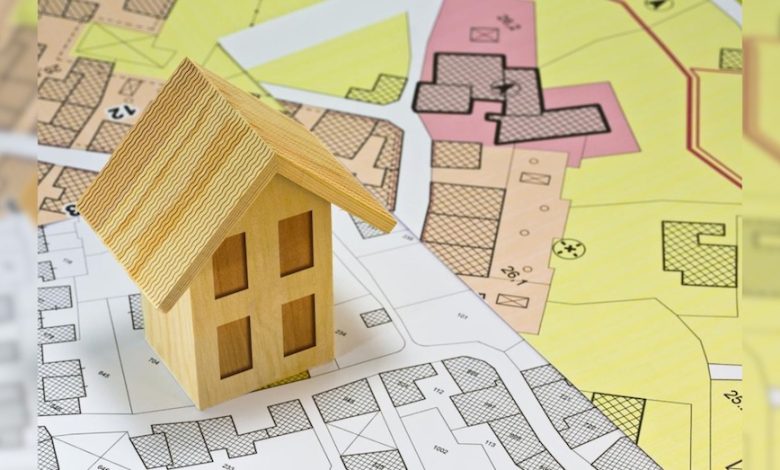
Rochester, New York – The City of Rochester has taken a significant step forward in reshaping how land is used and developed, unveiling the final proposal for its updated Zoning Code and Zoning Map. This marks a key moment in the long-running Zoning Alignment Project, commonly known as ZAP, which aims to modernize rules and better match the city’s future goals.
City officials confirmed that this latest release moves the proposal closer to formal review by the City Council. Before that happens, the City Planning Commission and the Rochester Environmental Commission will hold public hearings, giving residents and stakeholders another chance to share their views. Officials noted that a full timeline of upcoming steps and meeting dates will continue to be updated online.
Plan built on years of community input
The updated zoning framework is designed to reflect the vision laid out in the Rochester 2034 Comprehensive Plan, which has guided development efforts since its adoption in 2019. The city began working on ZAP in 2020, launching a multi-year process shaped heavily by community feedback.
Residents have played a direct role in shaping the proposal, offering input on a wide range of issues. These include short-term rentals such as Airbnb and VRBO, accessory dwelling units, building heights in mixed-use areas, and the future of community gardens and urban farms. Other topics included parking requirements and how to reuse buildings that no longer fit current zoning rules.
The final proposal introduces changes meant to expand housing options, create more economic opportunities, and support neighborhood businesses through mixed-use development. It also focuses on reducing non-conforming uses, encouraging the reuse of vacant properties, and aligning land use with access to public transit. Another key goal is improving climate resilience as the city continues to grow.
“At its core, this zoning update is about balance, positioning Rochester to grow in a way that benefits all residents,” said Mayor Malik D. Evans. “Community feedback played a central role in shaping this final proposed Code and Map, and we look forward to continued public input as ZAP moves forward through the process.”
State law requires that zoning rules align with a city’s comprehensive plan, and officials say this update ensures that Rochester’s zoning code reflects both current needs and long-term priorities. The Rochester 2034 Plan emphasizes growth, stronger connections between land use and transportation, improved public spaces, and greater social and economic fairness.
As the proposal moves into the next phase, city leaders are encouraging residents to stay engaged and review the details. The outcome of this process is expected to shape how Rochester develops for years to come, influencing housing, business growth, and the overall character of neighborhoods across the city.